
Submodule 1
Introduction
Progress
0%
-
6 min
Module 3 Introduction
Social Dimension
Power, emotional intelligence, holistic leadership, and facilitation.
3.1. Module 3 Introduction
'We need leaders who know how to nourish and rely on the innate creativity, freedom, generosity and caring of people. We need leaders who are life-affirming rather than life-destroying. Unless we quickly figure out how to nurture and support this new leadership, we can't hope for peaceful change.'
- Margaret J. Wheatley
POWER MIGHT BE DEFINED as our ability to create, sustain, change, and influence people, groups, systems, and life. It is our ability to consciously contribute to the process of evolution.
To empower ourselves, we need to distinguish between two types of power.
Opening up to the state of our world can generate a feeling of hopelessness and despair. Many of us have given up, sometimes quite subtly, on ourselves and on human survival on this planet. Mass media feed us misinformation and a cheap imitation of real life, and we collude with this, numbing ourselves to avoid taking in the reality of societal collapse.
Yet, what a time to wake up and reclaim our personal power! David W. Orr said, 'Hope is a verb with its sleeves rolled up.' Finding sources of hope for a better future can counteract despair and spur us to take creative action in life.
There are things we can change within ourselves, in our families, and in our communities. We need to be receptive, equanimous, courageous, and wise to see reality clearly and to discern what we can change from what we cannot. These qualities only emerge fully when we get the support we need to listen to our inner self, accept ourselves wholeheartedly as we are, and accept the world wholeheartedly as it is. Paradoxically, from this acceptance, the power to generate change can emerge.
A community can be a potent place to create the support systems we need, to investigate the power of acceptance, to explore vulnerability, and ultimately to express our creative power together with others.
As we make our way along this journey, inevitably we will encounter power abuses, oppression and the enactment of unearned privilege. We need fluency in these things in order to understand what we’re seeing and to treat others with respect.
In this Module, we will first explore the nature of power, privilege and oppression. Then we will look at what it takes to share power with others as a servant-leader. What inner capacities and external skills support taking this role? We’ll look specifically at a common leadership role in groups: facilitation. We’ll also consider the roles of coach and elder, two other forms of servant leadership. And we will close by asking you to contemplate a few leaders you appreciate, and how your own leadership might be enjoyed by others.
'Power without love is reckless and abusive, and love without power is sentimental and anemic. Power at its best is love implementing the demands of justice, and justice at its best is love correcting everything that stands against love.'
- Martin Luther King, Jr.
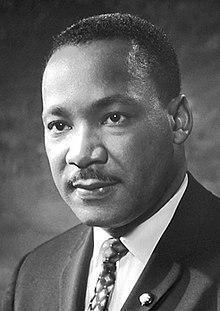
Martin Luther King, Jr., American Reverend, activist and prominent leader in the American civil rights movement, was someone who refused to be a victim, and, using his power with transparency, became a true leader for his community.
Here is a short video (90sec) of Martin Luther King Jr. speaking about the relationship between love and power. Youtube video posted by tens across. Published on Jan 16, 2011.
Preview
The full outline is below. Register for the Social Dimension to unlock every lesson.
Submodule 1
Progress
0%
Module 3 Introduction
Submodule 2
Progress
0%
Personal Empowerment
The Dynamics of Power
Power, privilege and oppression
Unpacking the Invisible Knapsack
Pause and Bring it to Life!
AssignmentSubmodule 3
Progress
0%
Stepping into Servant Leadership
Developing Emotional Intelligence
Building Support
Pause and bring it to life!
AssignmentHolistic Leadership
Submodule 4
Progress
0%
The Art of Facilitation
Building Cooperative Culture
Creative Coaching
The Path of Eldership
Pause and Bring it to Life!
Assignment